Editor's Note:Tom DeLorey wanted to share his thoughts on the 1977-D 40% Silver Ike with the readers of Mint Error News:
The Bicentennial error section reminds me that back when the Bicentennial halves came out I was working for Coin World and I got my bank (where one of the Amos's was on the Board of Directors) to order me a mint-sewn back of them. Went through them and found two "railroad rim" (as we called them back then) strikes which we ran in Clearinghouse. I eventually sold them to Fred for $20 each!
In 1977 I opened the Clearinghouse mail one morning and found a 1977-D 40% silver Ike sent in by a guy who was a dealer in Vegas. He said that Ikes were in common use out there, and that he occasionally found some of the 1971-74 40% Ikes in rolls so he kept a few Ikes in his pocket to swap out for them for the silver value. This time when he got home he noticed that it was a D-mint, not an S, so he sent it in. I did weight and S.G. and sure enough it was real.
THAT AFTERNOON, I got a call from a different guy in Vegas with the exciting news that he had just found a 1977-D silver dollar, and I said something like "What, another one?" and he was shocked to hear that he had missed having the discovery piece by four hours. I then called the Denver Mint and they told me that the SFAO routinely sent them reject Proof planchets in steel drums sorted by denomination, whenever they had enough of the drums to fill up a semi trailer. The drums were just dumped into regular Denver production channels and struck as BU coins.
Years later when I was working at ANACS and we had good connections to people at the Denver Mint, I found out that after I had called them from Coin World about the 40% silver strikes they went through all of the barrels containing dollar planchets and found about 20 to 30 more silver ones, and destroyed them!!! If I hadn't called, there would have been 20 to 30 more of these errors out there!!!
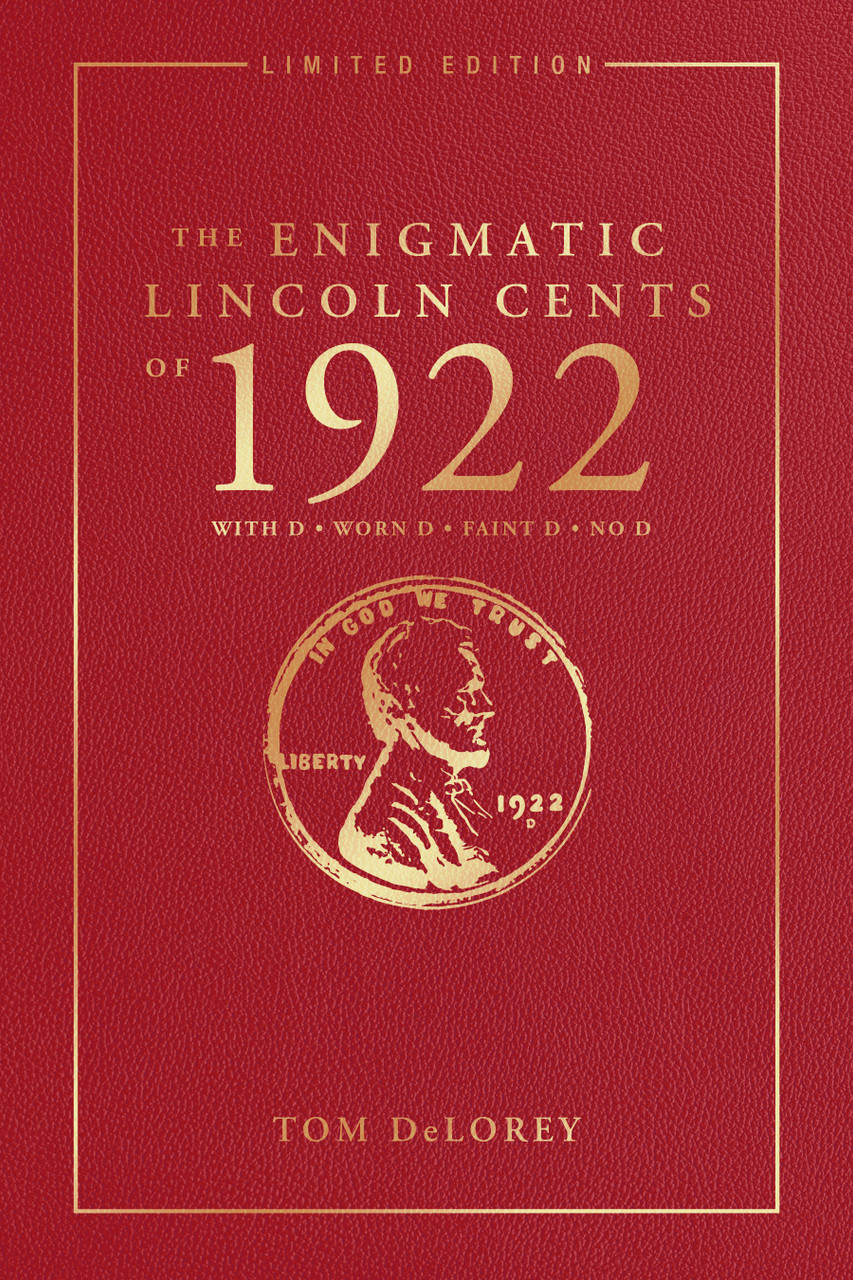
Tom DeLorey is well known for his book The Enigmatic Lincoln Cents of 1922, that explores the mysteries surrounding the Denver Mint's striking anomalies of the 1922-D and "No D" Cent varieties.